The science of red light
tested, ranked & explained
The most trusted independent guide to red light therapy — 5,000+ peer-reviewed studies distilled into protocols anyone can follow at home.
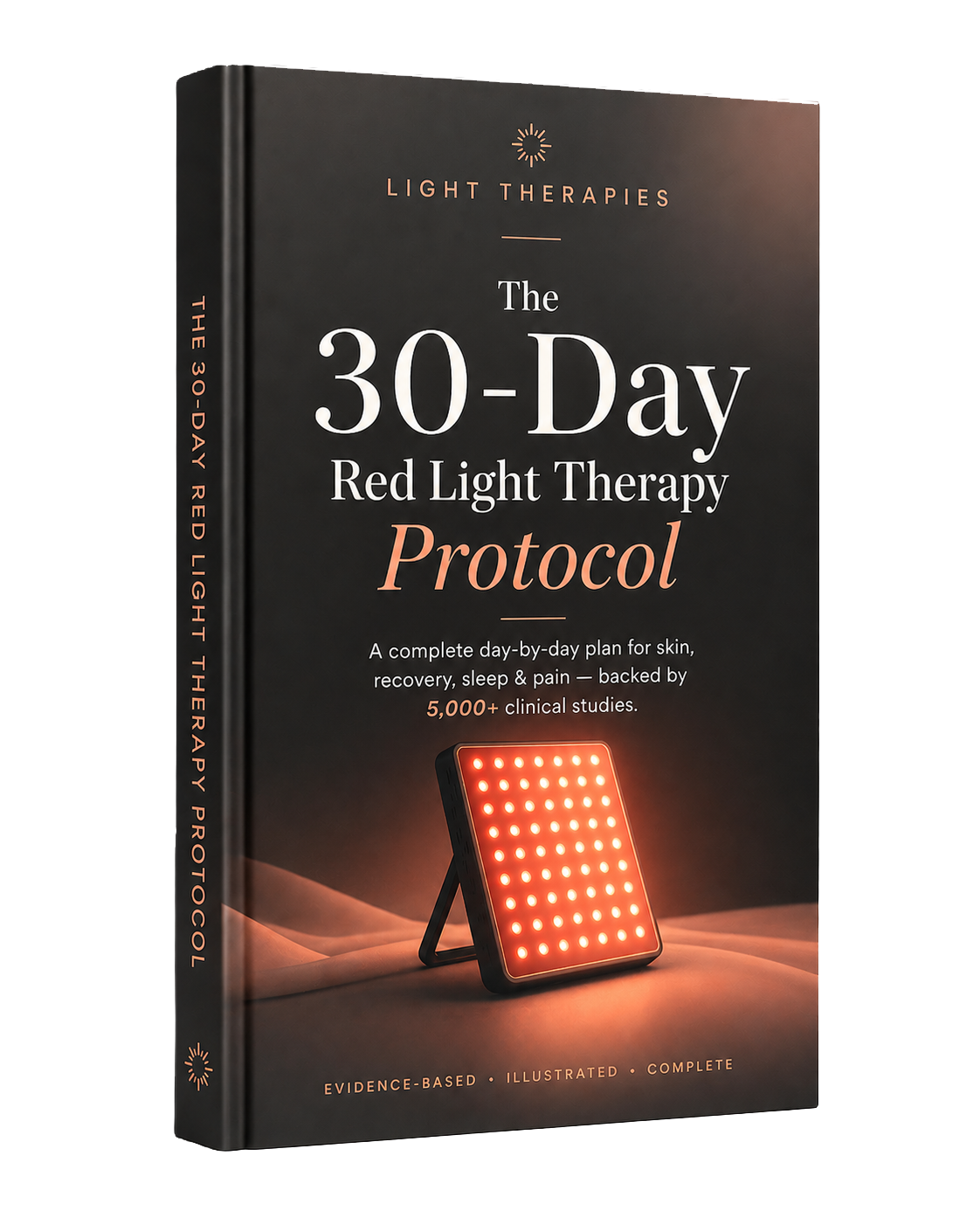
Stop guessing. Start a real protocol.
Owning a red light therapy device is only half the equation. The other half is knowing exactly how to use it — when, how long, where, and how often — to actually get results.
- Full 30-day day-by-day protocol with exact session times
- Built around your specific goal — skin, pain, hair or energy
- Backed by peer-reviewed studies — every claim cited
- Tracking templates for progress photos and journaling
- 22 FAQ answers covering everything beginners ask
- Maintenance protocol for sustainable long-term use
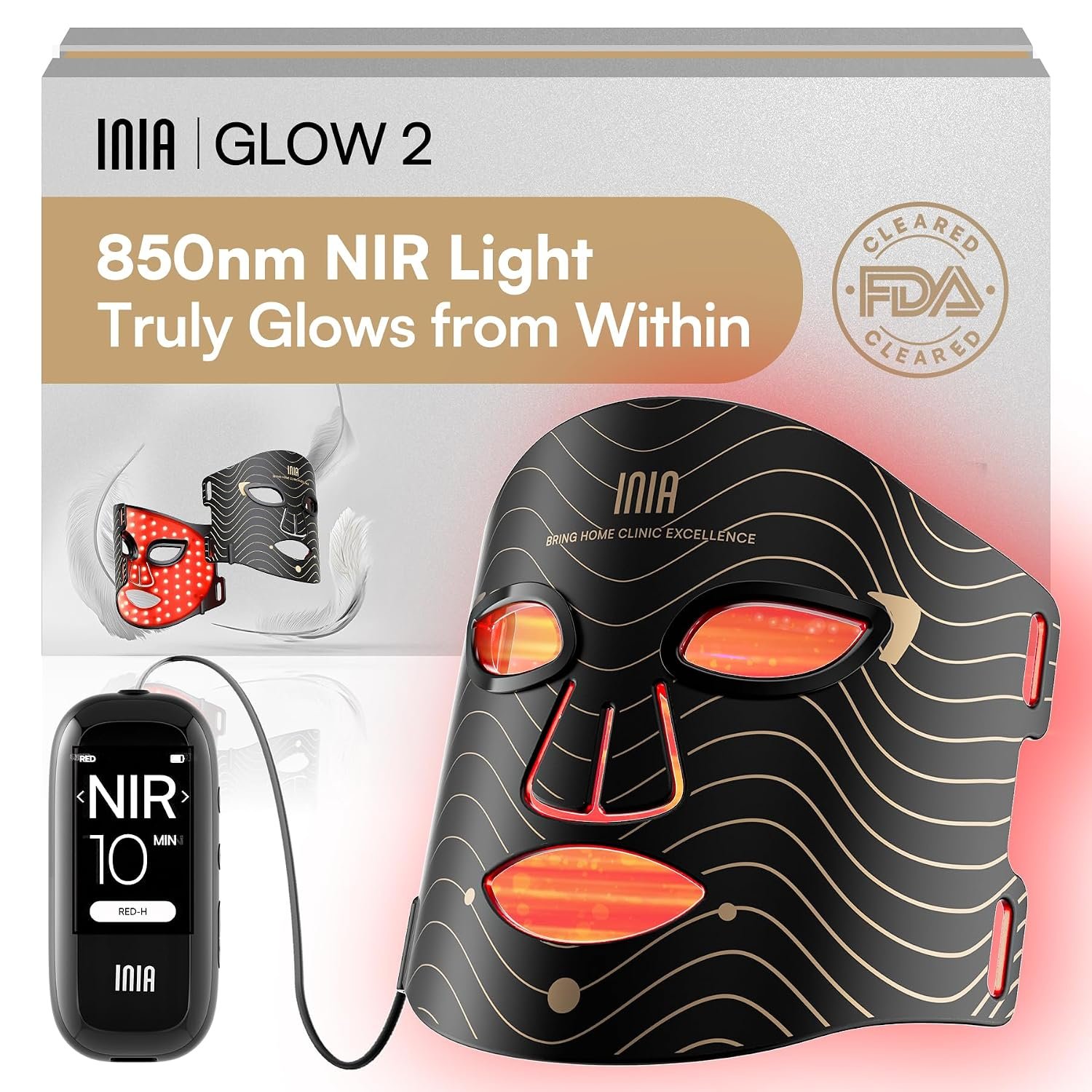
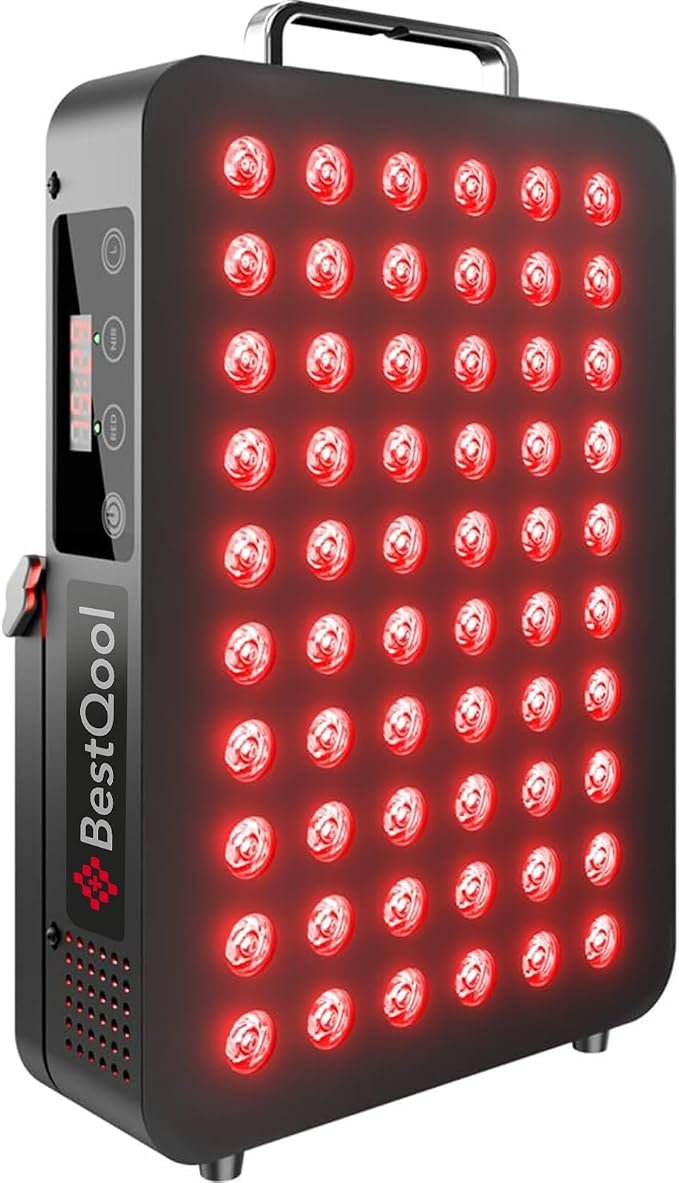
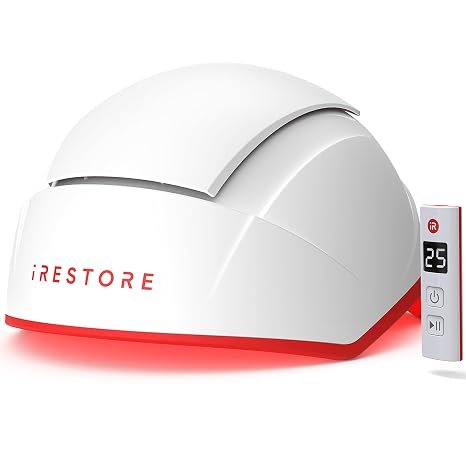
Best red light devices
Every device independently tested for wavelength accuracy, irradiance, build quality and value. No paid placements.

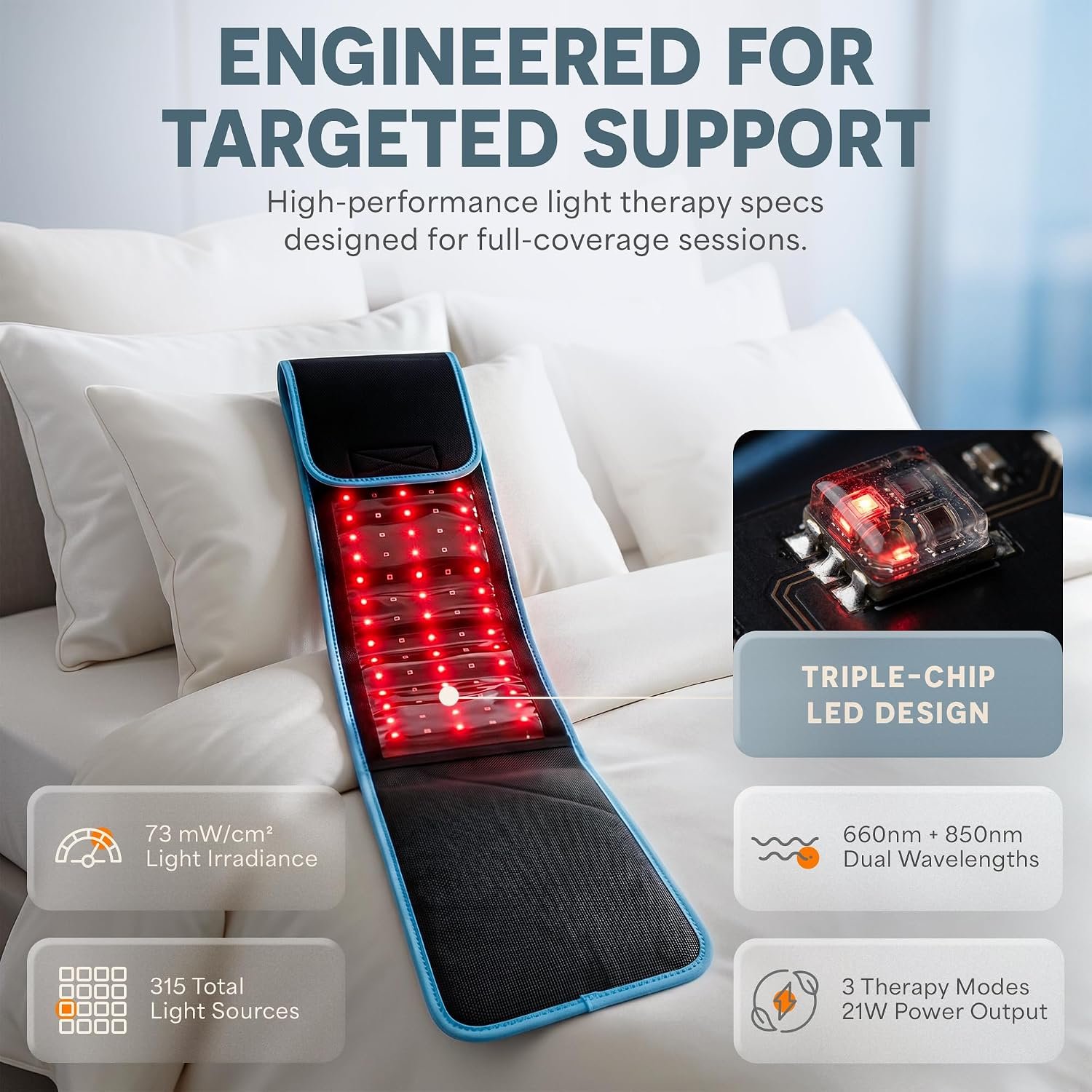
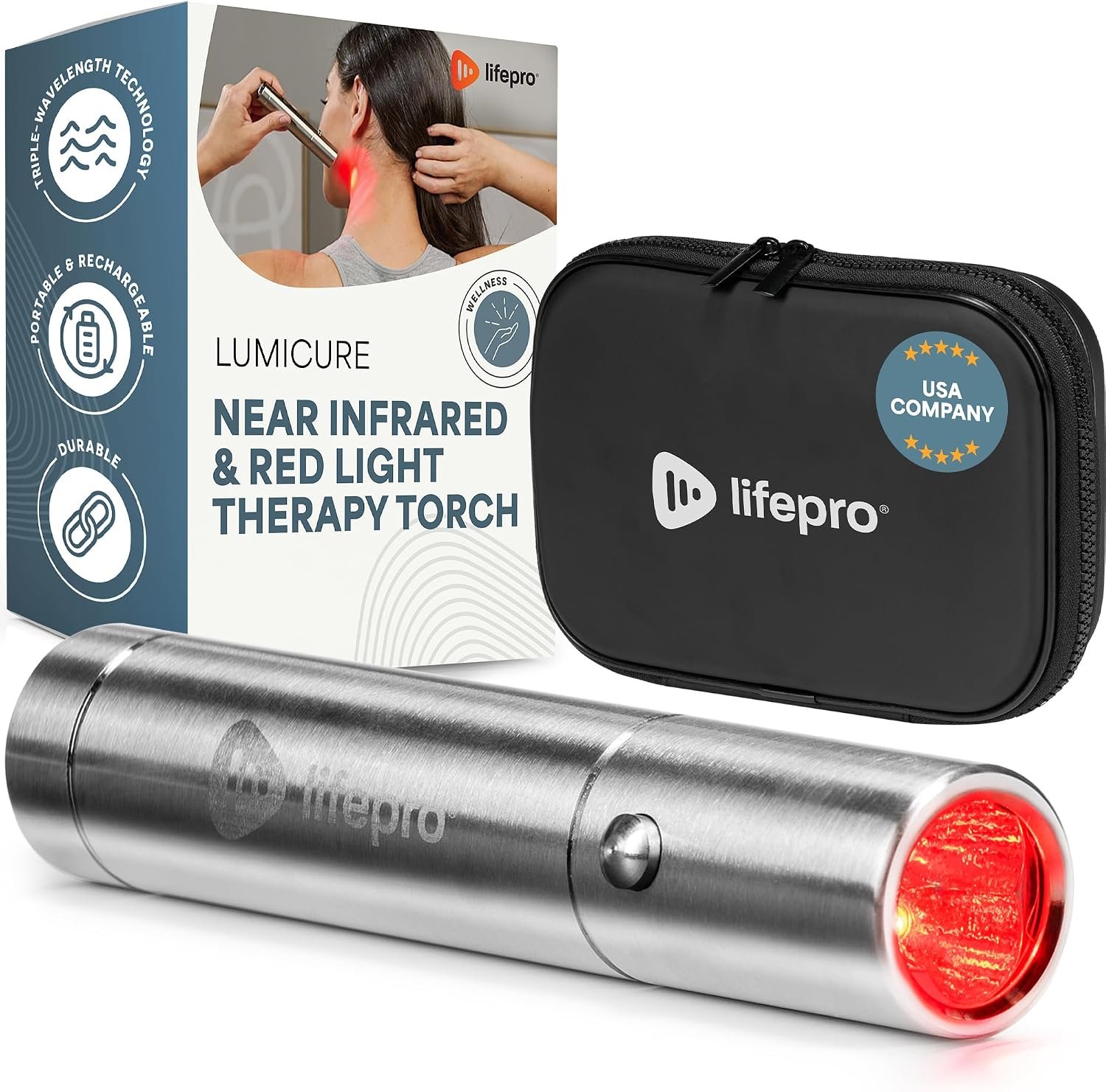
As an Amazon Associate I earn from qualifying purchases. Reviews are independent — I only recommend devices I've tested.
Why red light actually works
Photobiomodulation has been studied in over 5,000 peer-reviewed clinical trials. Here's what the research shows.
Skin & Collagen
A 2014 randomised controlled trial of 136 volunteers showed significant improvements in skin complexion, texture and intradermal collagen density after 30 sessions.
Hair Growth
A 2013 double-blind study using 655nm red light in 44 men showed a 39% increase in hair count after 16 weeks compared to sham treatment.
Muscle Recovery
A meta-analysis of 39 studies concluded that pre-exercise red light increases endurance and post-exercise red light reduces soreness and damage markers.
Cellular Energy
Red light at 660nm and 850nm is absorbed by cytochrome c oxidase in the mitochondria — stimulating ATP production, the energy currency of every cell.
Sleep Quality
A 2012 study found 14 days of red light exposure significantly improved sleep quality, melatonin production, and endurance performance vs placebo.
Pain Reduction
The Lancet published a 2009 systematic review showing low-level laser therapy provides effective short-term pain relief for chronic neck pain.
What people ask first
Want my weekly picks?
New device reviews, deals, and protocol tips. No fluff — one email a week.